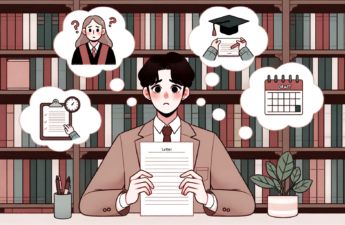
One of the most common mistakes students make when writing summer program autobiographical essays is trying to brainstorm, write, and edit at the same time. Students often focus on the word limit too early in the drafting process, and in doing so, they shrink their thinking before a real story has a chance to form. The result is often a generic response.
A more effective approach more fundamental:
Write first. Only write.
Write freely and messily. Wander around with ideas. Follow memories, side thoughts, and every connection. A meaningful essay begins with exploration.
As a guide for the exploration, students should pause and reflect on a few important questions:
- What qualities or characteristics define me?
- What do I hope to learn during the summer program?
- How does this summer opportunity connect to a larger goal?
Considering the above questions, students can uncover then offer insights to an admissions reader. Too often students simply re-listing their activities, then expect the admissions evaluator to draw a conclusion about the meaning of the experience.
Thus the real challenge is building an argument about oneself.
Summer program essays are not academic papers. Students are crafting autobiographical position statements. A strong narrative usually only appears after students try multiple story angles and reflect on what those stories actually reveal about their values and goals.
Instead of writing sentences like:
“I took this class… I volunteered here… therefore I want to attend your program…”
students can start sentences with phrases such as:
“I want to attend this program because…”
and then show why that statement is true, to take a “position” on the meaning of their experiences.
With such a shift, students create a focused story to help admissions readers quickly understand a student’s purpose, which is essential when evaluators are reviewing many applications in short timeframes.
Writer’s block is also common during this process. For many students, drafting summer program autobiographical statements is the first time they are being asked to make claims about their motivations, values, and direction. Such writing requires confidence, which develops through practice during the (re)drafting process.
Thus, when stuck, the best solution is often to keep writing or to state the ideas out loud (alone or with others). Clarity emerges through repetition.
Then, after the story is clear, students can refocus on word count. Word snipping is much easier, and far less risky, when students already understand what they are trying to say. At that point, cutting words refines the message rather than unintentionally shrinking it.
_________________________________________________________________________________________
Jill Yoshikawa, EdM, is a dedicated educator who continually studies the evolving landscape of college admissions and education. She advises a diverse range of families, helping them navigate choices thoughtfully and pursue meaningful value in their educational investments. Contact her today.